


4G Internet on the Moon: Nokia and Intuitive Machines Bring Cellular Connectivity to Space
The IM-2 mission will mark a historic milestone by installing the first cellular network outside the Earth, transforming space communications
In an unprecedented breakthrough for space exploration, Nokia and Intuitive Machines have completed the final integration of the Lunar Surface Communication System (LSCS) on the Athena lander, which traveled to the lunar south pole in February 2025 to deploy the first 4G/LTE cellular network on the Moon.
A network in a box of 384,000 kilometres
After months of rigorous testing and validation at Nokia Bell Labs, Intuitive Machines engineers installed the LSCS on one of Athena's carbon composite top panels. This "network in a box" — a complete network contained in a box — had to be designed to withstand the 384,000-kilometer journey to the Moon, withstand the extreme stresses of takeoff and landing, and operate optimally on the hostile lunar surface.
"We believe that bringing Nokia's 4G/LTE system to the lunar surface is a transformative moment in the commercialization of space and the maturity of the lunar economy," said Steve Altemus, CEO of Intuitive Machines. "We are taking careful steps towards sustainability. Whether it's Nokia connecting surface assets, or Intuitive Machines' ability to transmit that data back to Earth and set up lunar data relay satellites, these innovations are fundamental capabilities that we believe will define the Artemis generation."
Terrestrial technology adapted for extreme conditions
The system uses the same 4G/LTE cellular technology that connects billions of devices on Earth, though Nokia Bell Labs completely reconceptualized it to meet the unique requirements of a lunar mission. The network is designed to handle surface connectivity between the lander and the exploration vehicles, supporting high-definition video transmission, command and control communications, and telemetry data.
"We intend to demonstrate that cellular technologies can provide the reliable, high-capacity and efficient connectivity needed for future manned and unmanned missions to the Moon and, eventually, Mars," said Thierry E. Klein, president of Bell Labs Solutions Research at Nokia. "Cellular technology has irrevocably transformed the way we communicate on Earth. There's no reason why I can't do the same on other worlds."
Two vehicles connected from day one
In addition to the system installed on Athena, two complementary device modules of the LSCS have been integrated into lunar mobility vehicles:
Upon landing on the Moon, both vehicles will immediately deploy to the lunar surface, where they will use Nokia device modules to establish network connections on Athena. All the collected data will be transmitted over the Nokia network to Athena, which will relay it back to Earth using Intuitive Machines' direct transmission service.
NASA endorsement and business vision
The project is supported by NASA's Space Technology Mission Directorate through its Tipping Point initiative, which funds industry-developed space technologies to foster commercial space capabilities and benefit future NASA missions. Nokia received a contract from NASA in 2021 to develop this technology.
The system is protected by 14 thermally insulated mounting points and integrated with Athena's Thermal Protection System, which manages heat during periods of operation and inactivity. These precautions are critical, as the network is expected to work only for a few days: the spacecraft probably won't survive after night falls on the lunar surface.

Towards a permanent lunar infrastructure
Beyond this demonstration mission, Nokia has plans for more expansive 4G or 5G networks that can cover the planned Artemis habitat and its surroundings. The company is also working on integrating cellular communications into Axiom spacesuits intended for future lunar astronauts.
"Maybe just a network in a box, a tower, would provide the full coverage, or maybe we'd need multiple of these. That's not going to be any different than what you see in the deployment of terrestrial cellular networks," Klein explained. "The network should grow along with the future lunar economy."
Intuitive Machines is also working to deploy a constellation of lunar satellites to provide communication and navigation services for NASA's Artemis activities on the moon, under a NASA contract awarded last year for up to $4.82 billion.
Challenges and controversies
Not everyone is excited about this vision. LTE networks typically operate between 700 MHz and 2.6 GHz, a region of the radio frequency spectrum that partially overlaps with frequencies reserved for radio astronomy. Some scientists express concern about potential interference with astronomical observations from the Moon, considered an electromagnetically quiet environment ideal for radio telescopes.
However, proponents argue that establishing robust communications infrastructure is essential for a sustainable lunar presence and that regulations can manage the coexistence between telecommunications and science.
A milestone in the commercialization of space
The collaboration between Intuitive Machines, Nokia and Lunar Outpost exemplifies the maturation of the commercial space sector, particularly in establishing critical infrastructure for sustained lunar operations. Adapting terrestrial 4G/LTE technology for lunar operations could significantly reduce the costs and complexity of future missions compared to traditional space communication systems.
The Athena module is scheduled to launch in late February 2025 from NASA's Kennedy Space Center in Florida. If successful, this mission will not only demonstrate the viability of cellular communications on the Moon, but also set a crucial precedent for the infrastructure that will underpin the next era of human space exploration.
As Altemus stated, "These innovations represent foundational capabilities that will define the Artemis generation and were initiated through NASA's leadership."
About the companies:
Intuitive Machines is a diversified space exploration, infrastructure, and services company focused on fundamentally transforming the lunar access economy.
Nokia Bell Labs is the research arm of Nokia, responsible for numerous technological advances that have transformed global communications since its founding in 1925.
Lunar Outpost is an aerospace company specializing in space robotics and planetary exploration technologies.
Fire in Ezeiza: flames destroyed a warehouse in the southern area
A major incident mobilized firefighters from several barracks early this morning. The causes of the fire that affected industrial facilities are still being investigated
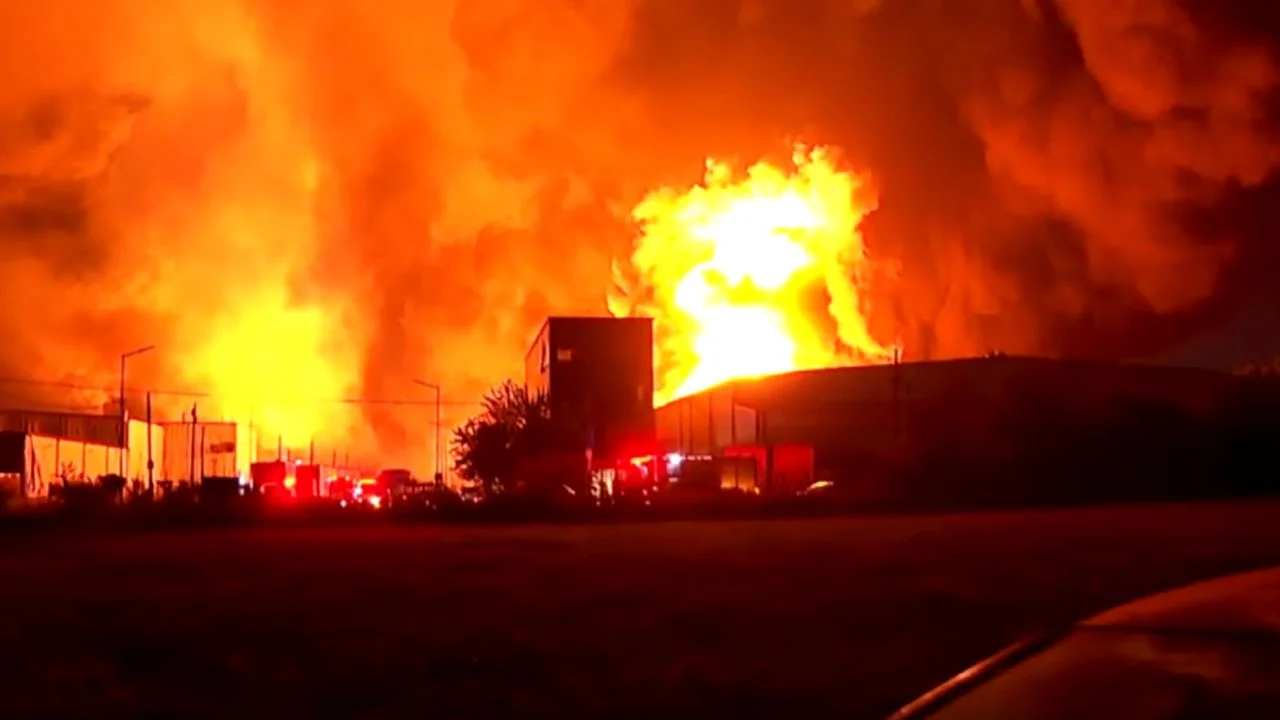
A violent explosion shook the Spegazzini Industrial Complex, located in the Buenos Aires town of Ezeiza, last night, causing multiple deflagrations that startled the residents of the area and unleashed a fire of great magnitude that required the intervention of some 380 firefighters, 70 units and more than 100 additional mobiles.
The incident, which occurred after 9 p.m. on Friday, generated a very broad shock wave that alerted the residents of the Buenos Aires city, who heard a loud rumble. More than 20 people were injured, of which only one man over 50 years of age remains in intensive care after suffering a heart attack.
Chaos and mass evacuation
The mayor of Ezeiza, Gastón Granados, described the scene as chaotic to the local media. "It's all very confusing, there was a strong explosion in the Spegazzini industrial estate. We are working to put out the fire and then to see what happened," he said, adding that "the windows of my house and the neighborhood exploded."
The authorities proceeded to preventively evacuate the families in the vicinity due to the magnitude of the fire and the risk of new explosions. The Buenos Aires Ministry of Health activated the red code in all hospitals in the region and issued a series of health recommendations for the population.
Companies affected and substances involved
Among the factories affected is a chemical plant where warehouses with products linked to agriculture and fertilization were set on fire, as well as Plásticos Lagos, a plastic packaging company. The companies affected were Iron Mountain, Larroca Minera, Almacén de Frío, Aditivos Alimentarios and a distributor.
One of the greatest risks during the control tasks focused on protecting a meatpacking industry with ammonia deposits located about 200 meters from the focus of the fire, according to Civil Defense sources.
Emergency operation and health alert
Fabián García, provincial director of Civil Defense, said that the fire is contained, although not extinguished, which means that it will not leave the limits where it develops. The official explained that initially it was not possible to enter the property due to the magnitude of the flames and that everything that was inside is already destroyed.
Approximately seven sheds were affected, including one with rubber and tires, which generated the dense column of black smoke visible from several kilometers. For the control tasks, drones, helicopters and specialized units of firefighters from Ezeiza, Esteban Echeverría, La Matanza, Cañuelas, San Vicente, Marcos Paz, Morón, Tres de Febrero and Brandsen were deployed.
Preventive measures and care for the injured
The meteorological authorities warned that a current of smoke with toxic substances was formed directed towards San Vicente and Cañuelas, so the residents of these cities were recommended to wear masks, close windows and stay inside their homes.
The 24 injured initially reported, including a pregnant woman intoxicated by smoke inhalation, were discharged on Saturday morning, as confirmed by health sources in the Province.
Location clarifications
The president of the Argentine Industrial Union (UIA), Martín Rapallini, clarified that the incident did not occur within the industrial parks managed by his group, but in an open area known as the Ezeiza Industrial Estate, on the other side of the Ezeiza-Cañuelas Highway.
So far, authorities continue to investigate the causes of the incident as they work to completely extinguish the fire. The Ezeiza International Airport, located 12 kilometers from the site, continued to operate normally despite the proximity of the incident.
Argentina-United States trade agreement: progress, objectives and projections
In a significant step for the bilateral economic agenda, Argentina and the United States announced a new trade agreement aimed at strengthening the exchange of goods, promoting strategic investments and modernizing the regulatory frameworks that govern the relationship between the two countries. The initiative, presented by officials from both nations, seeks to boost key sectors and offer predictability to companies and investors.
According to the Argentine Ministry of Foreign Affairs, the agreement includes a series of commitments aimed at facilitating trade, reducing technical barriers and enhancing cooperation in sensitive areas such as energy, agribusiness, technology and food security. The agreement also includes a chapter on regulatory transparency and quality standards, with the aim of improving competitiveness and favoring the insertion of Argentine products in the U.S. market.
For their part, representatives of the U.S. government stressed that the agreement is part of a strategy to deepen the link with Latin America, recognizing Argentina's productive potential and its role in global value chains. Among the most valued aspects is the progress towards more agile mechanisms for export certification, especially in sectors such as wine, citrus fruits, beef and technological products.
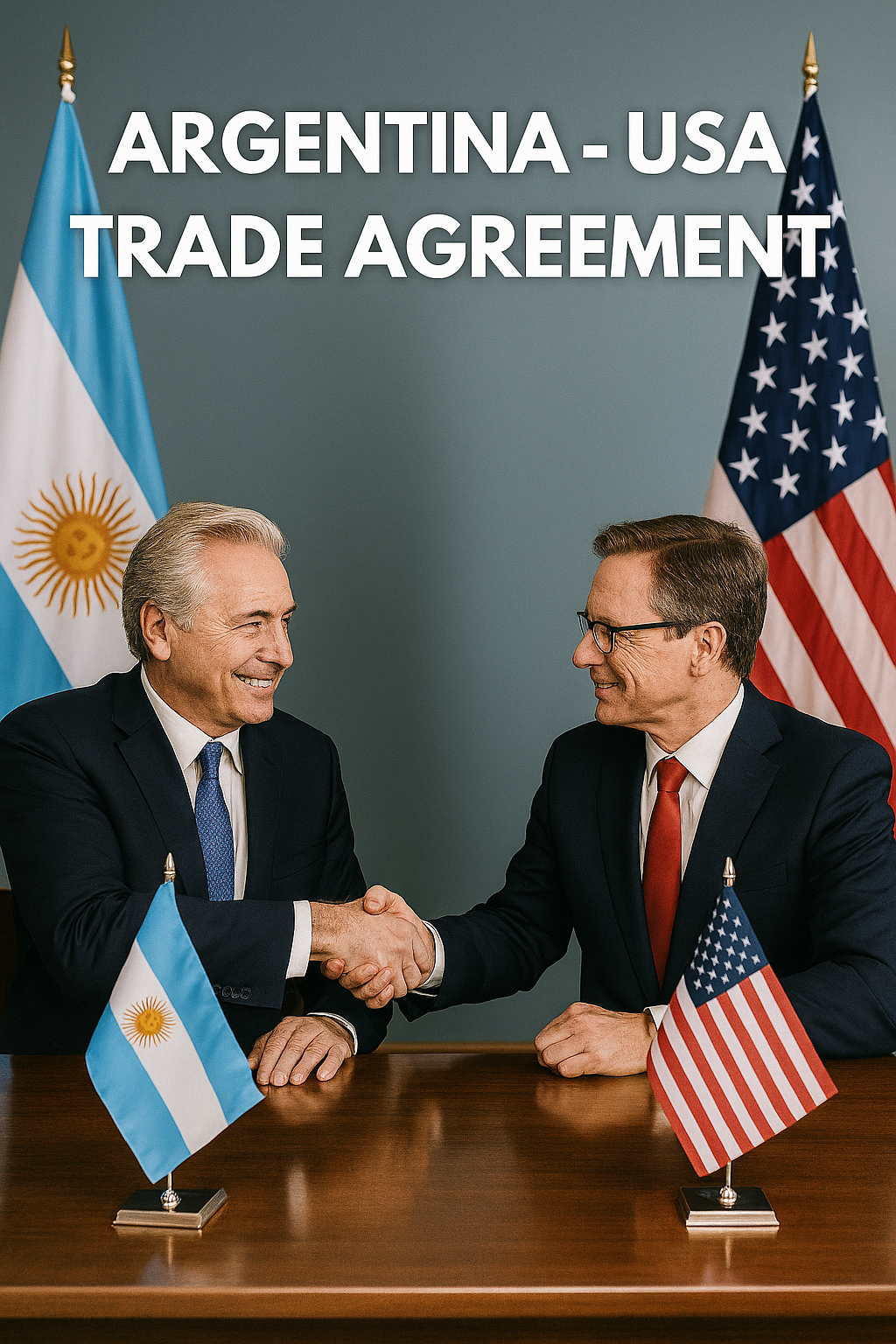
The pact also provides for the creation of permanent working groups where technical teams from both countries will evaluate the fulfillment of the commitments assumed and analyze new opportunities for economic cooperation. These instances will address challenges related to logistics, infrastructure, innovation and digitalization of commerce.
In economic terms, specialists point out that the agreement could translate into an increase in bilateral trade flow and a greater attraction of U.S. investments to strategic sectors of the Argentine economy, such as renewable energies, mining, knowledge economy and biotechnology.
In the medium term, the agreement seeks to consolidate a more stable and predictable relationship, in a global context marked by competition for resources, the need to diversify suppliers and the transition to more sustainable economies.
The announcement was received with positive expectations by the Argentine business sector, which believes that the modernization of trade rules can contribute to improving access to one of the most competitive markets in the world. However, some analysts warn that there are still challenges to be resolved, including the need to advance an internal reform agenda that allows the full benefits of the agreement to be realized.
With this new chapter in their bilateral relationship, Argentina and the United States seek to build a more robust framework of economic cooperation, aimed at growth, innovation and the generation of new development opportunities for both nations.
Argentina breaks all-time record in exports during 2025
The third quarter marked a milestone with the highest physical volume exported in 15 years, while the mining sector projects to close the year with sales of more than US$ 5,400 million
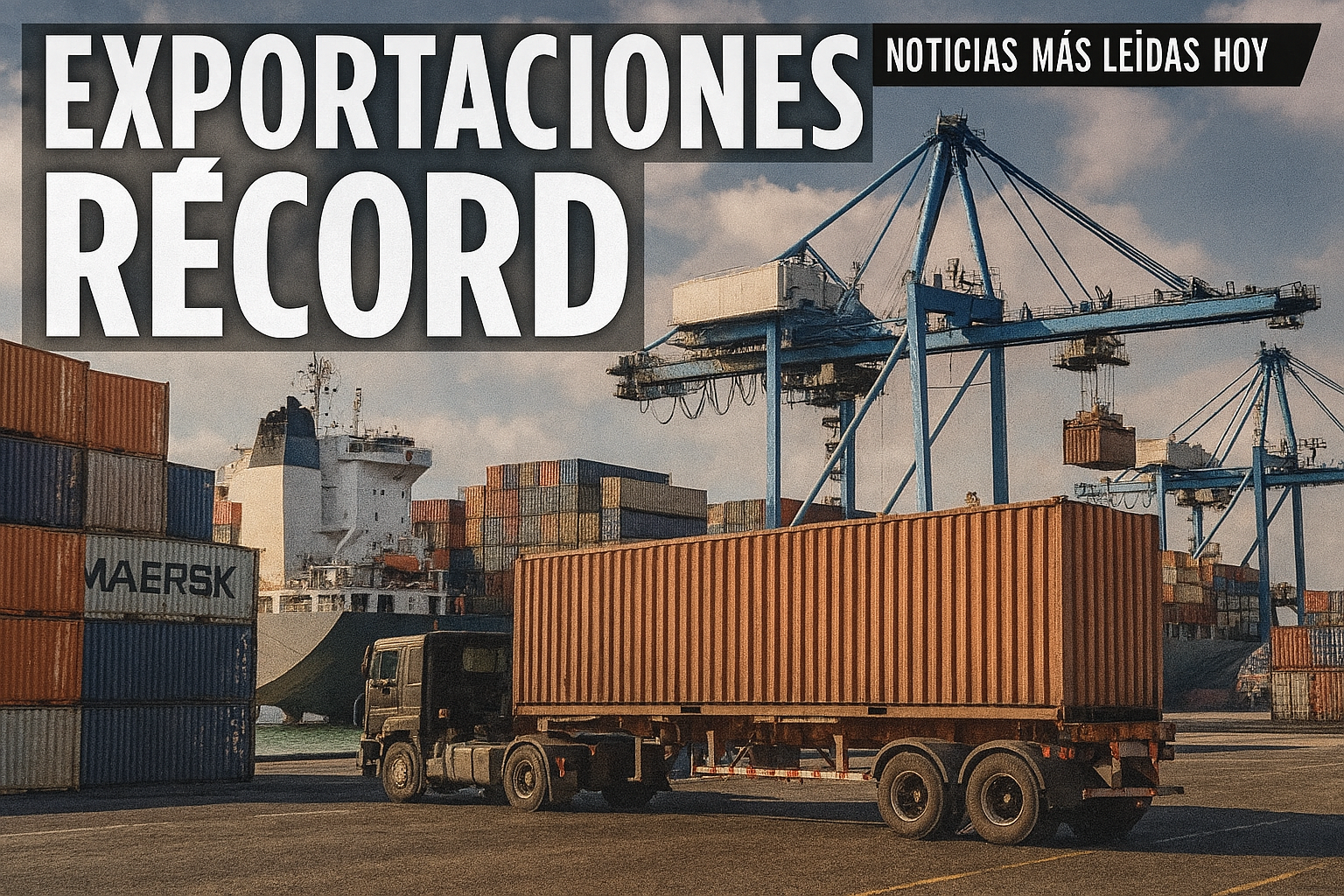
BUENOS AIRES – In the third quarter of 2025, Argentina recorded the highest level of exports in terms of quantities in the last 15 years, according to official data from INDEC. The total volume of exported goods grew 12.9% year-on-year and exceeded the previous record of 2010 by 5.1%, consolidating an exceptional year for Argentine foreign trade.
The export performance reflects a genuine recovery of the country's productive capacity, with simultaneous improvements in physical volumes and terms of trade that position 2025 as a turning point for the national economy.
The export boom in figures
The index of exported quantities stood at 153.3, surpassing the previous record of 145.9 reached in 2010. Exports in quantities grew 23.2% compared to the same period in 2022 and 12.9% year-on-year, led by the agro-industrial and energy complexes.
During the first half of 2025, Argentina exported goods worth more than 39 billion dollars, ranking as the second highest value in terms of FOB value since at least 2002, just below the historical record reached in 2022.
In the first four months of 2025, exports totaled US$ 25,361 million, which represents a year-on-year increase of 5.8%, explained by a 6.6% increase in the quantities exported.
Mining stars in a historic year
The mining sector emerged as one of the big surprises of 2025. Argentina will reach historic mining exports in 2025 that exceed USD 5,400 million, driven by gold and lithium.
The first seven months of 2025 were an all-time record for the country, with mining exports totaling US$ 3,157 million, exceeding the level of 2011. Between January and September, mining exports reached US$ 4,213 million, which represents a year-on-year growth of 32.9%.
Gold consolidated itself as the main driver of the sector. In September, gold generated US$ 373 million, 48.9% more than a year ago, driven by a 158% increase in exported volumes. High international prices of the precious metal, which reached levels close to US$ 3,300 per ounce, boosted the sector's revenues.
Lithium consolidates its strategic leadership
Argentina closes 2025 with seven lithium operations underway, thanks to the commissioning of new strategic projects. Lithium exports totaled 594 million dollars between January and September, a year-on-year increase of 38.4%, with a 70% increase in exported volumes.
In September, lithium set its own historical monthly record with sales of US$ 89 million, representing 15.9% of the total exported from the mining sector. China, Germany and South Korea accounted for 90% of lithium exports for the month and 82% of the year's cumulative exports.
The Argentine lithium boom positions the country as a key player in the global supply chain for the electric vehicle and energy storage industry, sectors in full global expansion.
Agriculture and energy sustain growth
Primary products increased by 32.3% in quantities, and fuels and energy registered a rise of 31.5%. Manufactures of agricultural origin (MOA) also showed an advance of 11.8%.
The soybean sector registered an 18% increase in volumes, driven by better yields and international prices, while Vaca Muerta set record shipments of oil and gas, consolidating the energy sector as one of the engines of the external surplus.
The soybean complex maintained its leadership in Argentine exports, representing 16% of the total value exported in the first half of the year, although its relative share has been decreasing in the face of the advance of other sectors such as mining and energy.
Diversification and favorable terms of trade
One of the highlights of 2025 was the improvement in the terms of trade. The terms of trade improved 6.3% year-on-year, reaching the best record since 2011, which increases the country's external purchasing power.
Agro-industrial chains accounted for 57% of the total exported in the first half of 2025. Although they represent more than half of the value exported, this figure is the second lowest in the last decade, reflecting a process of diversification.
The mining and energy sector stood out with sustained growth, doubling its share in the last decade to reach 8% of total exports in 2025.
Export destinations
The main destinations for mining exports were India, China, the United States and Switzerland, which accounted for 82% of shipments in September and 81% in the annual cumulative
In the case of lithium, China, Germany and South Korea concentrated demand, although the United States reduced its purchases by 10% and South Korea by 46% compared to the same period in 2024, while Germany increased its demand.
Regional impact and projections
The export boom strengthened the country's macroeconomic figures and boosted regional economies. Mining activity generated employment, infrastructure development and increased tax collection in provinces such as Catamarca, Salta, Jujuy and San Juan.
Projections for 2026 anticipate the continuation of the trade surplus, with moderate export growth (+5%) and a gradual recovery in imports (+4%) associated with the reactivation of investment.
The year 2025 will be marked in Argentina's economic history as a turning point, with simultaneous records in multiple sectors that consolidate the country as a key supplier of strategic commodities for the global economy of the 21st century.
Document generated in 0 second