











 The Budget Process in a Democratic System
 The Politics of Hate: When Debate Turns to Destruction
 What to sow in September?
We are entering the warm season. Spring is coming and we must plan the garden for the production of vegetables in the stage of greatest activity.
A few days before spring, there are many aspects to take into account. Starting first with the soil, we need a soil rich in nutrients, with a good fertilizer and to which we will add homemade compost.
However, we must not forget that the success of your garden depends on the attention and dedication when sowing and growing vegetables.
When choosing crops, it should be taken into account that there are still cold nights ahead, with possible late frosts. For this reason, it is still necessary to protect crops vulnerable to the cold, to avoid damage to their leaves and fruits.
But what can we sow in September?
Vegetables of the month of September in the Southern Hemisphere
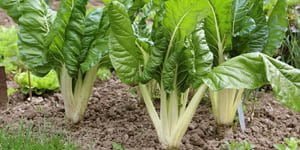
Chard
Place: semi shade
Sowing: direct in crescent
Depth of planting: 2 cm
Watering: normal
Germination: 7 to 9 days
Transplanting: 20 to 40 days
Harvest: 3 months on full
moon Beneficial association: arugula, tomato, carrot, beans Harmful
association: none

Chili pepper
Place: full
sun Sowing: nursery in crescent
Depth of sowing: 0.6 cm
Watering: normal, without wetting the fruits
Germination: 15 to 30 days
Harvest: 2 months on full
moon Beneficial association: chard, garlic, basil, peas, spinach, lettuce, beans, leek, radishes, cabbage
Harmful association: potato
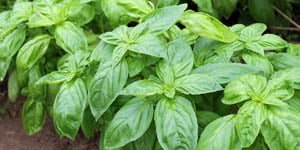
Basil
Place: semi shade
Sowing: nursery in crescent
Depth of sowing: 5 to 7 cm
Watering: abundant
Germination: 10 to 15 days
Transplanting: 2 months
Harvest: 3 months on full
moon Beneficial association: chili pepper, garlic, peas, broccoli, cauliflower, asparagus, cucumber, pepper, beans, cabbage, tomato
Harmful association: none
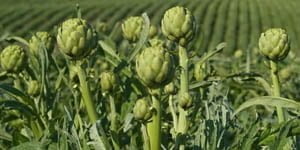
Artichoke
Place: semi shade
Sowing: direct or nursery in crescent
Depth of sowing: 4 cm
Watering: normal
Germination: 12 to 15 days
Transplanting: 30 days
Harvest: 1 year on full
moon Beneficial association: peas, beans, lettuce, radishes Harmful
association: none
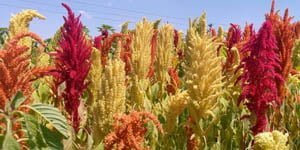
Amaranth
Location: full
sun Sowing: direct or nursery in crescent
Depth of planting: 1 to 2 cm
Watering: normal
Germination: 10 to 15 days
Transplanting: 1 month
Harvest: 6 months on full
moon Beneficial association: corn, beans Harmful
association: none
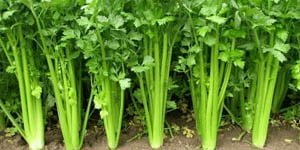
Celery
Place: full
sun Sowing: nursery in crescent
Depth of planting: 0.5 cm
Watering: abundant
Germination: 15 to 20 days
Harvest: 2 months on full
moon Beneficial association: eggplant, broccoli, cauliflower, spinach, cucumber, lettuce, beans, leek, cabbage, radish Harmful
association: potato and carrot
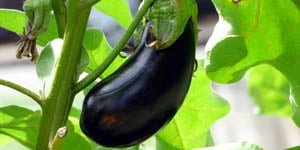
Eggplant
Location: full
sun Sowing: in nursery in crescent
Depth of planting: 1 cm
Watering: abundant
Germination: 7 to 10 days
Transplanting: 14 days
Harvest: 3 months on full
moon Beneficial association: garlic, celery, onion, spinach, lettuce, potato, pepper, beans, leek, radishes, cabbage, carrot
Harmful association: cucumber

Broccoli
Place: semi shade
Sowing: nursery in crescent
Depth of sowing: 1.5 cm
Watering: abundant
Germination: 5 to 10 days
Harvest: 2 to 3 months on full
moon Beneficial association: peas, basil, celery, nasturtium, onion, coelander, dill, lettuce, chamomile, mint, oregano, potato, beans, beetroot, rue, thyme
Harmful association: strawberries, tomatoes

Choclo
Place: semi-shade
Sowing: direct in crescent
Depth of planting: 2 to 3 cm
Watering: normal
Germination: 7 to 8 days
Harvest: 4 months on full
moon Beneficial association: peas, onions, melons, potatoes, cucumbers, beans, watermelon, pumpkin Harmful
association: none
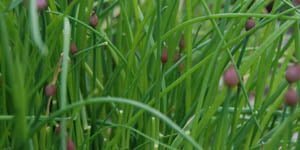
Chives
Place: semi shade
Sowing: direct in crescent
Depth of planting: 0.5 cm
Watering: normal
Germination: 12 to 15 days
Transplanting: 30 days
Harvest: 3 months on full
moon Charity: carrot

Sunflower
Place: full
sun Sowing: direct or nursery in crescent
Sowing depth: 1 cm
Watering: normal
Germination: 2 to 3 days
Transplanting: 10 to 15 days
Harvest: 3 months on full
moon Beneficial association: cucumber Harmful
association: potato

Lavender
Place: full
sun Sowing: direct in crescent
Depth of sowing: 1 cm
Watering: normal
Germination: 15 days
Harvest: 3 months on full
moon Beneficial association: none
Harmful association: none
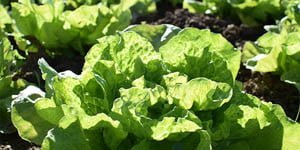
Lettuce
Place: semi shade
Sowing: direct in crescent
Depth of sowing: 0.5 cm
Watering: normal
Germination: 5 to 10 days
Harvest: 3 months on full
moon Beneficial association: chili pepper, garlic, artichoke, spinach, turnip, broad beans, melon, leek, radish, pumpkin, tomato, rue, cucumber, oregano, cabbage, watermelon
Harmful association: celery, parsley, sunflower, watercress

Chamomile
Location: full
sun Sowing: direct in crescent
Depth of planting: 1.5 cm
Watering: normal
Germination: 7 to 8 days
Harvest: 3 to 4 months on full
moon Beneficial association: chard, beans, pumpkin Harmful
association: none

Melon
Place: semi shade
Sowing: direct or in nursery in crescent
Depth of sowing: 3 to 4 cmWatering
: normal
Germination: 3 to 7 days
Transplanting: 30 to 40 days
Harvest: 3 to 4 months on full
moon Charity: chard, broccoli, corn, lettuce

Mint
Place: semi shade
Sowing: direct or nursery in crescent
Depth of sowing: 1 cm
Watering: normal
Germination: 8 to 10 days
Transplanting: 1 month
Harvest: 3 months on full
moon Beneficial association: lettuce, leek, cabbage
Harmful association: none
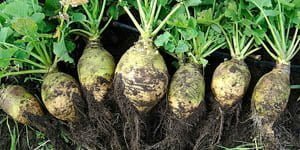
Neighbour
Place: semi-shade
Sowing: direct or in a nursery in the waning
quarter Sowing depth: 3 to 4 cmWatering
: abundant
Germination: 6 to 8 days
Transplanting: 15 to 20 days
Harvest: 3 months on the new
moon Charitable association: peas, lettuce, cucumber, beetroot, cabbage
Harmful association: radish
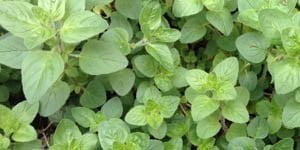
Oregano
Location: full
sun Sowing: direct in crescent
Depth of planting: 0.5 cm
Watering: normal
Germination: 7 to 21 days
Harvest: 3 to 4 months on full
moon Beneficial association: broccoli, cauliflower, cucumber, cabbage
Harmful association: none
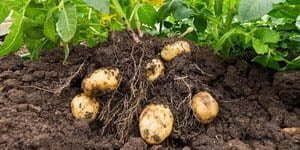
Pope
Location: full sun
Sowing: direct in the waning
quarter Sowing depth: 7 to 8 cm (plant potato pieces or seed potato)
Watering: normal, one week before harvesting do not water
Germination: 20 to 40 days
Harvest: 3 months on the new
moon Charity: eggplant, corn, broccoli, beans, leek, radish, cabbage, carrot
Harmful association: chili pepper, garlic, peas, strawberry, sunflower, cucumber, watermelon, tomato, pumpkin, Italian squash
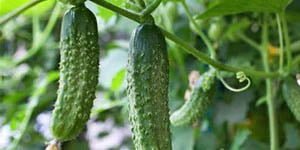
Cucumber
Place: full
sun Sowing: direct or nursery in crescent
Sowing depth: 2 to 3 cm
Watering: normal avoid wetting leaves
Germination: 3 to 7 days
Transplanting: 30 to 40 days
Harvest: 3 to 4 months on full
moon Charity association: garlic, basil, celery, peas, onion, corn, spinach, sunflower, lettuce, turnip, beans, radishes, beetroot, cabbage
Harmful association: eggplant, potato, parsley, tomato, pumpkin, zucchini
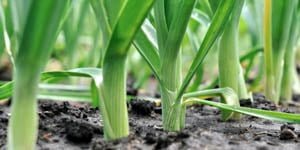
Leek
Place: semi shade
Sowing: nursery in the last
quarter Sowing depth: 1 to 2 cm
Watering: normal
Germination: 10 to 12 days
Transplanting: 30 days
Harvest: 4 to 5 months in new
moon Charity: garlic, celery, onion, spinach, strawberry, lettuce, potato, beetroot, cabbage, tomato, carrot
Harmful association: peas, broad beans, beans, radish

Radish
Place: semi shade
Sowing: direct in the waning
quarter Sowing depth: 1 cm
Watering: normal
Germination: 3 to 5 days
Harvest: 20 to 30 days on a waning moon Charity
: chard, chili pepper, celery, peas, eggplant, watercress, nasturtium, spinach, lettuce, corn, mint, potato, cucumbers, beans, rue, tomato, carrot, strawberry, lettuce, cabbage, tomato, carrot
Harmful association: turnip, leek

Beetroot
Place: semi shade
Sowing: direct in the last
quarter Sowing depth: 2 cm
Watering: normal
Germination: 10 to 15 days
Harvest: 3 months on the waning moon Beneficial
association: garlic, peas, eggplant, onion, lettuce, cucumbers, beans, leek Harmful
association: chard, spinach, tomato
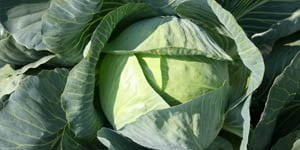
Cabbage
Place: full
sun Sowing: in nursery in crescent
Depth of sowing: 0.5 cm
Watering: normal
Germination: 6 to 9 days
Transplanting: 30 to 40 days
Harvest: 3 months on full
moon Charity association: chard, celery, peas, dill, spinach, broad beans, lettuce, chamomile, mint, bell pepper, turnip, oregano, potato, cucumber, leek, beetroot, rosemary, rue, tomato, thyme Harmful
association: garlic, strawberries, beans
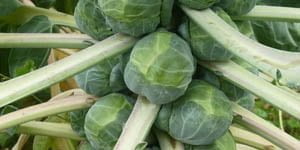
Brussels' cabbage
Location: full
shade Sowing: direct or nursery in crescent
Depth of sowing: max. 1 cm
Watering: abundant
Germination: 8 to 10 days
Transplanting: 3 months
Harvest: 5 months on full
moon Beneficial association: lettuce, celery, onion, leek, carrot
Harmful association: none
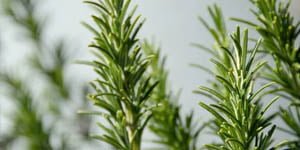
Rosemary
Location: full
sun Sowing: in nursery in crescent
Depth of planting: 1 cm
Watering: normal
Germination: 15 to 30 days
Transplanting: 2 months
Harvest: 3 to 4 months on full
moon Beneficial association: cabbage, beans, carrots Harmful
association: none

Arugula
Location: full
sun Sowing: direct in crescent
Depth of sowing: max. 1 cm
Watering: normal
Germination: 8 to 10 days
Harvest: 3 months on full
moon Beneficial association: chard, eggplant, tomato, pepper
Harmful association: radish, cabbage, turnip
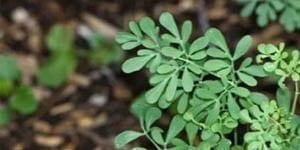
Ore
Place: semi shade
Sowing: nursery in crescent
Depth of sowing: 0.5 cm
Watering: normal
Germination: 20 to 30 days
Transplanting: 40 days
Harvest: 3 months on full
moon Beneficial association: garlic, broccoli, onion, cauliflower, lettuce, turnip, cucumber, leek, cabbage
Harmful association: beans, tomato
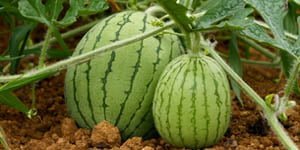
Watermelon
Place: full
sun Sowing: direct or nursery in crescent
Depth of sowing: 3 to 4 cm
Watering: normal, avoid wetting leaves
Germination: 6 to 8 days
Transplanting: 1 month
Harvest: 3 to 4 months on full
moon Beneficial association: peas, onions, corn, lettuce Harmful
association: potatoes
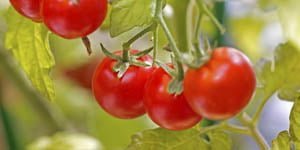
Tomato
Place: full
sun Sowing: in nursery in crescent
Depth of sowing: 0.5 to 1 cm
Watering: normal, avoid wetting leaves
Germination: 5 to 8 days
Transplanting: 30 days
Harvest: 3 months on full
moon Charity: chard, garlic, basil, celery, peas, onion, chives, asparagus, lettuce, parsley, bell pepper, beans, leek, radishes, cabbage, carrot
Harmful association: broccoli, potato, cucumber, beetroot

Carrot
Place: semi shade
Sowing: direct in the last
quarter Sowing depth: 1 to 2 cm
Watering: normal
Germination: 12 to 15 days
Harvest: 4 months on the new
moon Charity: chard, garlic, peas, eggplant, onion, broccoli, green onion, chives, coriander, spinach, beans, cucumber, lettuce, bell pepper, tomato, sage
Harmful association: celery, coriander, dill, parsley, mint, fennel
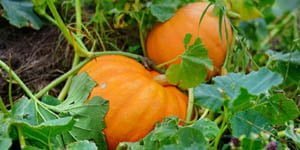
Pumpkin
Place: full
sun Sowing: direct in crescent
Depth of planting: 2 cm
Watering: normal, avoid wetting leaves
Germination: 5 to 10 days
Harvest: 6 months on full
moon Beneficial association: corn, lettuce, beans, cabbage
Harmful association: potato, cucumber
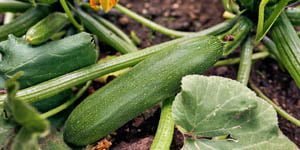
Zucchini (Italian zapalalo)
Location: full
sun Sowing: direct or nursery in crescent
Depth of planting: 2 cm
Watering: normal, avoid wetting leaves
Germination: 5 to 10 days
Transplanting: 30 to 40 days
Harvest: 3 months on full
moon Beneficial association: basil, onion
Harmful association: potato, cucumber