







News
 Contaminated fentanyl in Argentina
- 11/08/2025 » 19:04 by cronywell
Contaminated fentanyl in Argentina
- 11/08/2025 » 19:04 by cronywell
⚠️ Contaminated fentanyl in Argentina: 76 fatalities
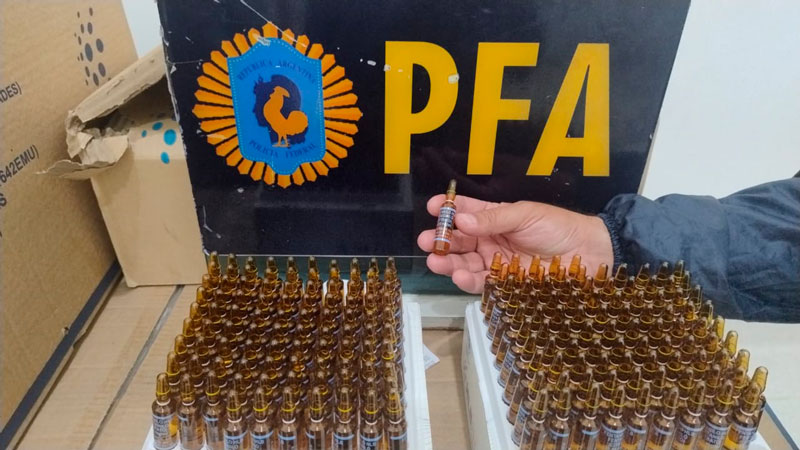
The health crisis due to the use of contaminated fentanyl continues to grow in Argentina. Federal Judge Ernesto Kreplak confirmed that 76 people have died after receiving doses of this powerful painkiller adulterated with dangerous bacteria.
🧪 What happened?
- Two batches of the drug, produced by HLB Pharma and Ramallo S.A., were contaminated with Klebsiella pneumoniae and Ralstonia pickettii, highly resistant bacteria.
- An estimated 154,000 vials were distributed, of which 42,000 were applied to patients before the health alert was issued.
- Another 64,000 doses were recovered, and 48,000 are isolated as judicial evidence.
🏥 Where did it happen?
- The case began at the Italian Hospital in La Plata, but spread to more than 200 hospitals throughout the country.
- The reporting system is voluntary, which makes it difficult to identify all affected cases.
⚖️ Ongoing research
- There are 24 people under suspicion, with seized assets, but no one arrested so far.
- Searches were carried out in the laboratories involved.
- The judge warned that the number of victims could continue to rise as clinical data is cross-referenced and more cases are identified.
🗣️ Testimonies
Relatives of victims, such as Leonel (32 years old), recounted how their loved ones died of sepsis and organ failure after receiving the contaminated drug. Many found out months later that they had been given ampoules of the adulterated batch.
 Speech by the president of the Rural: Zero Withholdings and Plan to Double Production
- 26/07/2025 » 18:10 by cronywell
Speech by the president of the Rural: Zero Withholdings and Plan to Double Production
- 26/07/2025 » 18:10 by cronywell
Speech by the president of the Rural: Zero Withholdings and Plan to Double Production
Nicolás Pino reiterated the historical demands of the Argentine countryside with a conciliatory tone towards the Milei government, although he clarified that the sector "is not a partisan ally, but exclusively of Argentina."
The Central Claim: Elimination of Withholdings
In his speech to national authorities, Pino described the withholdings as "a scourge for the common good" that slows down the development of the country. Since 2002, the countryside has contributed more than 200,000 million dollars to the State through this tax, with rates that reach 33% of the international price.
"They are discriminatory, confiscatory and discourage production. Not even the officials of the current government deny in private that they are disastrous," the ruralist leader emphasized.
Eight Conditions for Doubling Production
Pino presented a comprehensive plan that, according to his projections, would make it possible to achieve:
- 200 million tonnes of cereals and oilseeds
- 8 million tons of meat
- 14,000 million liters of milk
- 2 million hectares of forest
- Total value: $60 billion (vs. $40 billion today)
The proposed conditions:
- Reducing the tax burden - Eliminating withholding tax as a priority
- Judicial Reform - Eliminate the "Trial Industry" and Reduce Legal Costs
- Accessible Credit - Long-term financing without financial speculation
- Rural Security - Special Prosecutor's Offices against cattle rustling and rural crimes
- Essential Services - Improved Access to Health and Education in Rural Areas
- Critical Infrastructure - Roads, Railways and Waterway Maintenance
- Territorial occupation - Demographic redistribution to take advantage of productive land
- Development of Rural SMEs - As an Engine of Growth and Poverty Reduction
Three Key Institutional Reforms
INTA: It must maintain its role in research and biotechnology, incorporating artificial intelligence and robotics, with dynamic professional management.
SENASA: Requires urgent reorganization to eliminate bureaucracy and ineptitude, providing it with international technical excellence.
Health status: Aspiration to achieve the status of a country free of foot-and-mouth disease without vaccination, following the Patagonian model.
Political and Economic Message
Pino supported the policies of the current government, highlighting fiscal consolidation, the clean-up of the Central Bank and the elimination of the exchange clamp. However, he made critical references to the previous administration, alluding to "the conviction of a former president" and "disastrous cases such as the expropriation of YPF."
The rural leader emphasized that the countryside is not looking for privileges but for equitable conditions: "If we produce more and create more employment, poverty goes down. Enough of superficial policies and cheap lies."
The speech was given at the opening of the 137th Rural Exhibition, with a large official presence including President Milei and most of his cabinet.
Milei Announces Permanent Reduction of Withholdings in La Rural
- 26/07/2025 » 18:06 by cronywell
Milei Announces Permanent Reduction of Withholdings in La Rural
The president confirmed significant declines in the main agricultural products, with reductions of 20% for grains and 26% for meat. Villarruel's absence marked a new episode of internal tension.
The new rates announced
Milei confirmed "permanent" reductions in withholdings, calling them "the great scourge that should never have existed":
|
Product |
Previous Withholding |
New Retention |
Reduction |
|
Soybean |
33% |
26% |
-7 points |
|
Soy by-products |
31% |
24,5% |
-6.5 points |
|
Corn |
12% |
9,5% |
-2.5 points |
|
Sorghum |
12% |
9,5% |
-2.5 points |
|
Sunflower |
7,5% |
5,5% |
-2 points |
|
Beef and poultry |
6,75% |
5% |
-1.75 points |
Projected Economic Impact
The president stressed that the measures represent:
- 20% reduction in withholdings for grain chains
- 26% reduction for livestock and meat chains
- Comprehensive benefit for the interior of the country
"From veterinarians to silo builders, everyone benefits when the profitability of the private sector stays in the private sector instead of being extirpated by the damn state," Milei emphasized.
Fiscal Sustainability as a Condition
The president directly linked the reductions to the macroeconomic balance achieved:
"This is only thanks to the fiscal surplus we have achieved, which we take care of like water in the desert in the face of the systematic onslaught of the political caste."
The Casa Rosada later issued an official statement describing the measure as the beginning of "a new era marked by the growth and unleashing of the full potential of the countryside."
Political Tension: Villarruel's Absence
Vice President Victoria Villarruel did not attend the event after confirming her presence. Sources close to him denounced that Casa Rosada Protocol denied him access for his staff and did not inform him of his location at the event.
Milei took the opportunity to indirectly criticize her by referring to the bills that the Senate sent to the Executive for veto: "They say that an expenditure of 17,000 million dollars per year can be financed with a cut of 30 million in the SIDE," alluding to Villarruel's statements about the intelligence budget.
Political Context of the Announcement
The measure came at a time of high expectations from the agricultural sector, which had been demanding concrete gestures after months of waiting. The event was also attended by Jorge Macri, in the midst of negotiations on a possible electoral alliance between PRO and La Libertad Avanza for October.
"The countryside is a strategic sector for Argentina and an engine of growth," said the head of the Buenos Aires government, sitting in the front row next to his wife.
Commitment to the future
Milei reaffirmed his commitment to the total elimination of withholdings: "These reductions are permanent and there will be no turning back while I am in government. Eliminating withholdings is an obsession for our management."
The announcement is part of the government's strategy to position the countryside as the "backbone of the economy" and reverse decades of policies that the ruling party describes as "systematic theft of the fruit of other people's labor."
The measure came into force immediately and adds to the deregulation and trade opening policies implemented since December 2023.
 AySA's privatization advances: the Government enables the sale of shares and cuts for non-payment
- 23/07/2025 » 16:13 by cronywell
AySA's privatization advances: the Government enables the sale of shares and cuts for non-payment
- 23/07/2025 » 16:13 by cronywell
AySA's privatization advances: the Government enables the sale of shares and cuts for non-payment
DNU 493/2025 opens the door to the privatization of the AMBA water and sanitation company and authorizes the suspension of the service in the event of default. Water, an essential right, is up for debate.
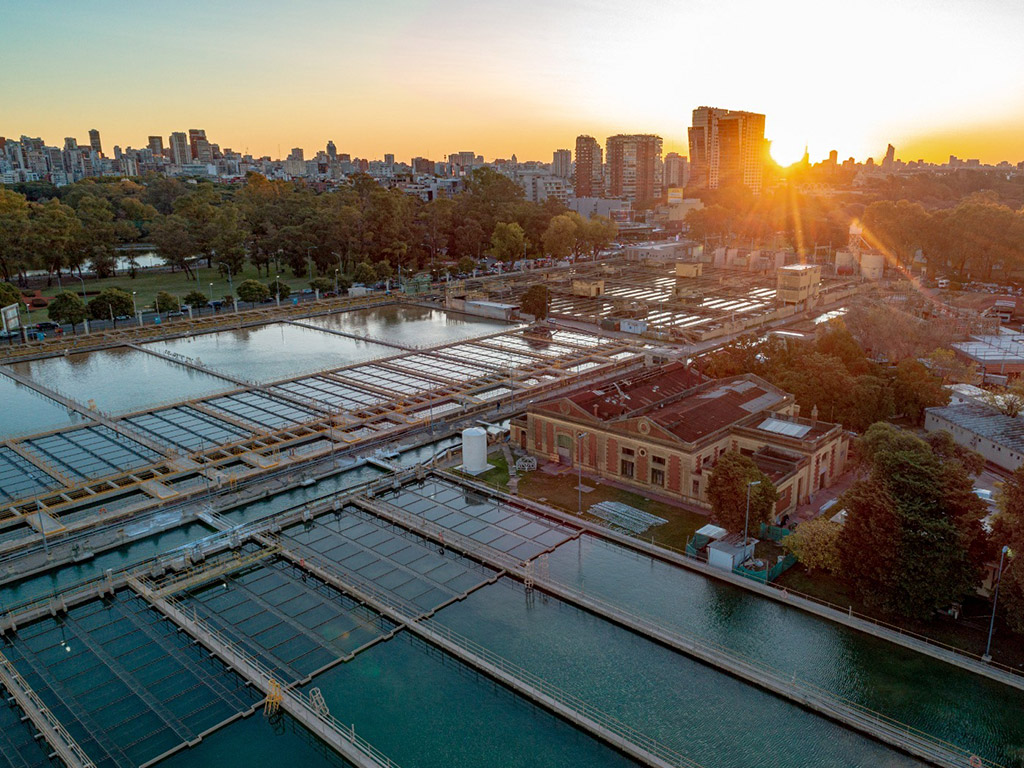
The national government formalized a new step towards the privatization of Agua y Saneamientos Argentinos S.A. (AySA) by enabling the sale of shares in the state-owned company, allowing the entry of private capital and authorizing water service cuts for non-payment.
This measure is part of a comprehensive reform of the regulatory framework for the provision of public drinking water and sewage services in the Metropolitan Area of Buenos Aires (AMBA), established by the Decree of Necessity and Urgency (DNU) 493/2025, published this Tuesday in the Official Gazette.
Changes in the shareholder structure
The regulation modifies Article 2 of Decree No. 304/06, which established that 90% of AySA's capital stock belongs to the National State and provided that these shares were "non-transferable" and that this proportion "could not be reduced as a result of any corporate operation."
With the new regulation, it was determined that "the National State may totally or partially dispose of its shareholding," officially enabling the total or partial privatization of the company that provides water and sewerage services in the AMBA.
New management powers
The decree incorporates a series of additional authorizations for the concessionaire company, the most controversial being the possibility of interrupting the supply in the event of user debts. The main built-in powers include:
- Service cut off due to delay: The company will be able to suspend the supply in case of non-payment, a measure that was not allowed for almost two decades.
- Broad audit powers: It will have extended powers to review and technically audit all the works executed within the regulated area.
- Financial guarantees: It may constitute as guarantees the funds from the exploitation of the concession contract to support the financing intended for the provision of the public service.
- Tariff revisions: The new framework allows for ordinary and extraordinary tariff revisions, with automatic adjustments in periods not exceeding three months.
Strategic Improvement Master Plan
The reform entrusts the Planning Agency (APLA) with the creation of a Master Plan for Strategic Improvement that must establish the guidelines and technical strategies for the development of basic infrastructure works that enable the expansion and extension of the public service, including project schedules, sources of financing and executing agencies.
The decree establishes that the concession contract may provide for a transitional regime to allow an orderly and progressive implementation of the new provisions for a maximum period of five years once the privatization is formalized, with the aim of maintaining the balance of the economic-financial equation of the contract.
Government justification
In the official text, the Government argues the changes by arguing that "the design of the current regime does not adjust to the current needs of expansion, sustainability and efficiency that the provision of the service requires, having been conceived for a state management model that does not adequately contemplate the necessary conditions to promote new investments and expand coverage".
Likewise, the administration justifies the measure in the "context of deep economic crisis" that "severely limits the capacity of the State to sustain and expand the provision of public service." This critical situation, according to the decree, "is evidenced by the growing operational and financial deterioration of AySA, whose current structure is insufficient to respond to the growing demands for coverage, quality and sustainability."